
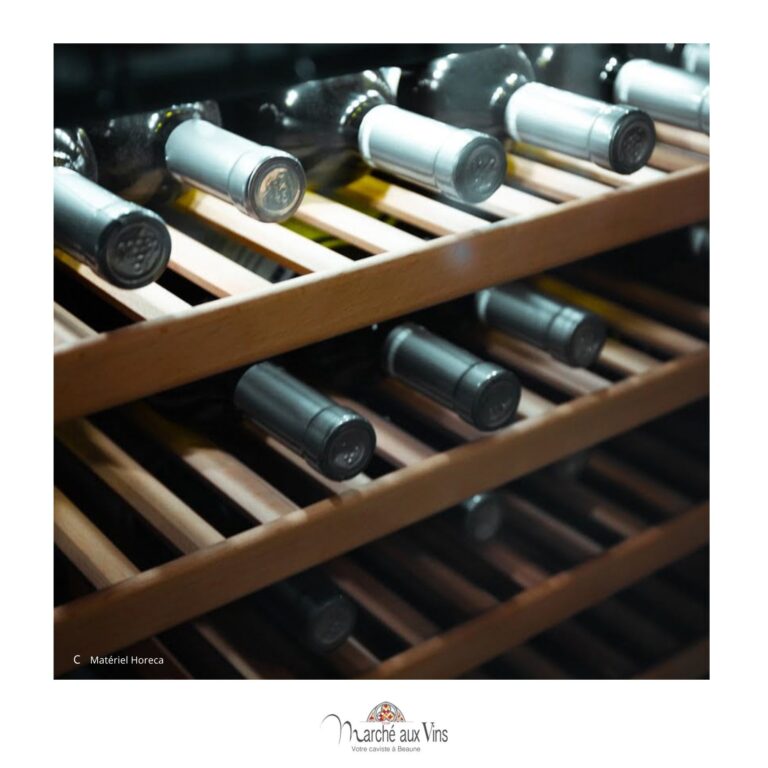
Why is serving temperature so important?
Wine is a living substance that is extremely sensitive to temperature fluctuations. Serving wine at the right temperature is not merely a matter of etiquette; it directly affects the expression of its aromas, structure, and balance. A wine served too warm allows the alcohol to dominate at the expense of the aromas; similarly, the aromas of a wine served too cold are not perceptible because its tannins become harsh and astringent. Tasting a wine at the right temperature reveals its qualities and pays tribute to the winemaker’s craft.
Ideal Serving Temperatures by Wine Style
Each style of wine has its own ideal temperature range to fully express itself:
Light, crisp white wines: Served between 8 °C and 10 °C, they retain all their liveliness and fruity or floral notes. This summer, try the 2023 Rully Brange from Domaine de l’Ecette, a white wine from the Côte Chalonnaise with wonderful freshness.
Sparkling wines: Served between 8 °C and 12 °C, this cool temperature preserves the finesse of the bubbles, enhances the natural acidity, and offers a lively, thirst-quenching palate. Consider the Crémant de Bourgogne Brut – André Delorme, a crémant with beautiful finesse and aromas of white flowers.
Great white wines: Served between 11 °C and 13 °C, this temperature allows you to appreciate their complexity, richness, and minerality without masking their aromatic nuances. Discover the Meursault Premier Cru Les Charmes-Dessus 2023, Château de Meursault—a wine of great minerality, emblematic of Burgundian elegance and prestige.
Smooth and Fruity Red Wines: Best enjoyed between 14°C and 16°C to preserve the fruit’s freshness and the finesse of the tannins. Savor the 2023 Chambolle-Musigny Vieilles Vignes from Domaine Lignier-Michelot for its intense nose of red fruits, elegant tannins, and harmonious structure.
Great red wines for aging: They reach their full potential between 16°C and 18°C, offering a perfect balance of structure, richness, and aroma—as exemplified by the renowned 2022 Gevrey-Chambertin Premier Cru Champeaux from Château de Marsannay, a great terroir of the Côte de Nuits, which should be enjoyed under the best conditions to preserve its aromas.
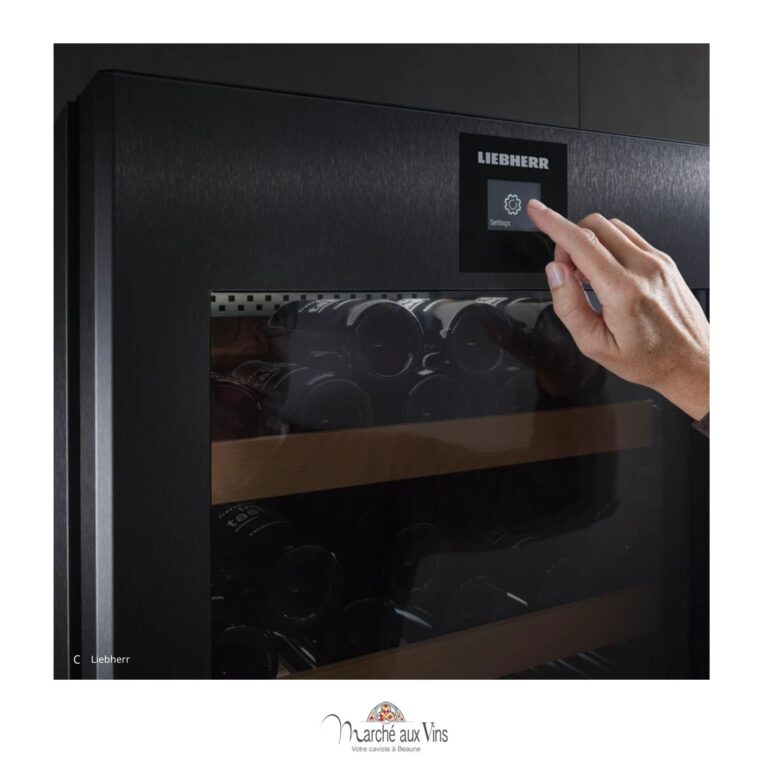
How can you chill your wine without spoiling it?
Chilling a bottle requires a careful approach and a gentle touch to avoid damaging the wine with a sudden temperature shock.
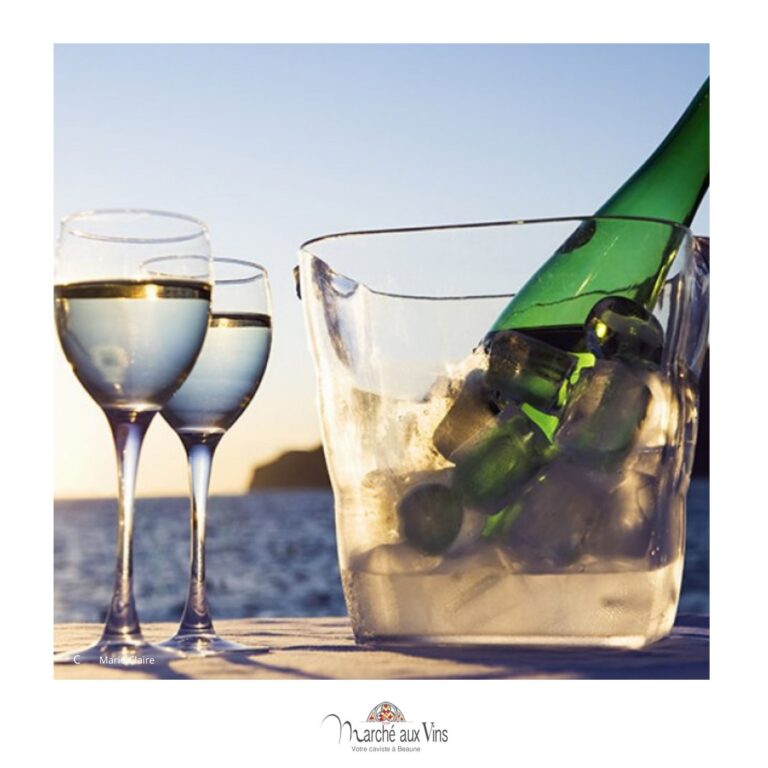
The most effective and gentle method is still the traditional ice bucket filled with water and ice cubes. The water helps distribute the cold evenly across the entire surface of the bottle in just 15 to 20 minutes. The refrigerator is also a very good option if you plan ahead a few hours before tasting.
However, the freezer is strongly discouraged, as is adding ice cubes directly to the glass. These practices alter the wine’s structure and irreversibly dilute its aromas.
Best Practices for a Successful Tasting
Anticipating the wine’s natural warming in the glass is key to a controlled tasting, especially on hot summer days. A wine quickly warms by 2 to 3 °C once poured. It is therefore often wise to serve it one or two degrees below its ideal temperature.
Serve small amounts at a time to prevent the wine from warming up too quickly, and keep the bottle in a wine cooler or insulated sleeve throughout the meal. These simple steps ensure an optimal tasting experience from the first glass to the last.

